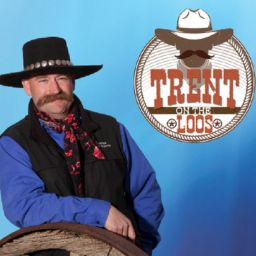




Trent and Andrew: Conservative Views, Global Politics, Meat Diet, & Property Rights
The hosts also provide insightful analysis of the Republican Presidential candidates, offering their conservative viewpoints on the candidates' stances and potential impacts on the nation. They tackle the controversial issue of wildfires that are intentionally set, shedding light on the challenges of combating arson and its consequences on affected communities.
With a focus on health and lifestyle, Trent and Andrew explore a recent study suggesting that a regular meat-inclusive diet may contribute to a longer life expectancy. They delve into the findings and discuss the potential implications for dietary choices and public health policies.
Switching gears to environmental matters, the hosts tackle the often overlooked downside of green energy, particularly the environmental waste generated by wind turbines. They provide a critical perspective on the ecological impact of these alternative energy sources and question the trade-offs in pursuit of a cleaner environment.
Lastly, the hosts turn their attention to property rights, spotlighting Montana's efforts to protect and defend these rights. They discuss the importance of individual property rights and explore the ongoing battle to balance conservation efforts with the rights of property owners.
Tune in to "Across the Pond" for thought-provoking conversations on these important topics, where Trent Loos and Andrew Henderson offer their conservative insights and engage in meaningful dialogues that challenge conventional wisdom.
More on the downside of green energy:
- Intermittency: Renewable sources like solar and wind energy are not always consistent, as they depend on weather conditions. This can lead to challenges in ensuring a constant energy supply.
- Storage Challenges: Storing green energy efficiently remains a significant challenge, particularly for solar and wind energy, where energy production can fluctuate.
- High Initial Costs: The initial investment for green energy infrastructure, such as solar panels or wind turbines, can be high, although costs are decreasing over time.
- Land Use: Some forms of green energy, particularly wind farms and large solar installations, require significant amounts of land, which can impact local ecosystems and land use priorities.
- Resource Use for Production: Manufacturing renewable energy systems often requires significant amounts of resources and energy, including rare earth elements, which can have environmental impacts.
- Infrastructure and Grid Integration: Integrating renewable energy sources into existing power grids can be complex and expensive, requiring updates to infrastructure and new technologies for balancing energy supply and demand.
- Limited Geographic Suitability: Some renewable energy sources are not viable everywhere; for example, solar power is less effective in regions with little sunlight.
- Lifecycle Emissions: While lower than fossil fuels, some green energy sources do produce emissions and environmental impacts during manufacturing, installation, maintenance, and decommissioning.