

The Decline of Sheep Herds, Rising Tax Burdens, and Expansion of Government Control in Rural America
Hank shares that while sheep inventory is down globally—including in the United States—the individual animals have become physically larger. This shift, however, hasn’t offset the challenges brought on by the law of diminishing returns and rising operational costs.
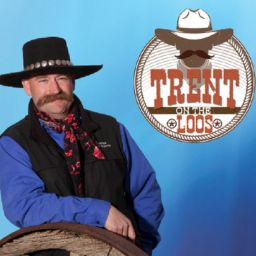
Trent and Hank dig deep into the reasons behind America’s dwindling livestock inventory and how economic pressures are forcing producers out of the industry. Hank explains how market volatility, government interference, and bureaucratic overreach are making it nearly impossible for family-owned operations to thrive. They also discuss Hank’s real-life experience surviving two riots—offering a firsthand perspective on the chaos currently unfolding in places like Los Angeles. The conversation turns toward the alarming growth of unconstitutional power, especially when National Guard troops are deployed by executive order without proper checks.
One of the most disturbing trends Hank addresses is the illusion of land ownership. While many lands are not federally owned, they are federally controlled, stripping local governments and citizens of their say. They explore the overwhelming burden of taxes on property, equipment, and even livestock—raising the critical question: How much tax is too much?
As a county commissioner, Hank gives insight into the warped priorities of government agencies, pointing out that incompetence rarely results in termination. Instead, failed employees are often shifted to another department or even promoted—an infuriating and inefficient cycle.
This episode sheds light on the erosion of rural independence, the pressure on producers, and the pressing need to defend personal freedoms, economic sanity, and responsible governance.