


Rural Route Exposes the Real Cost of Labor Rules on American Ranchers
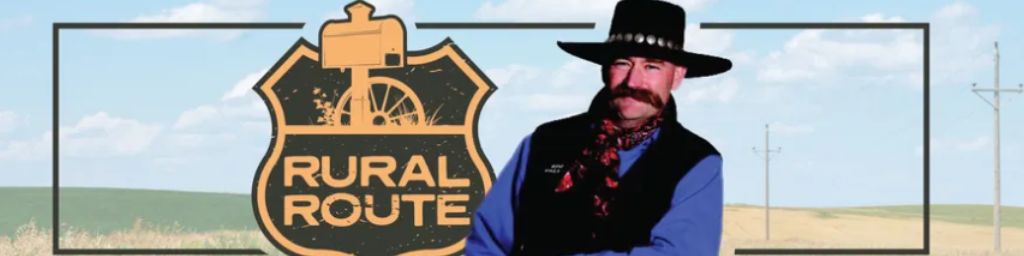
He explains how the federal H-2A program has become a regulatory nightmare, forcing ranchers into endless paperwork, daily compliance checks, and costly staffing demands that threaten to bankrupt small operations. Trent questions why common-sense technology like video calls isn’t allowed to simplify compliance, exposing how rigid enforcement ignores real-world ranching conditions.
The conversation expands into animal agriculture and cultural traditions, including strict dog breeding regulations, sheep farming heritage, and the rising demand for lamb in the United States. Hank and Trent also explore Nevada’s ranching history, explaining how government permit changes in the 1930s shifted sheep land to cattle use, reshaping the environment and rural economies. They stress the importance of documenting this story on location to show the true impact of policy decisions.
Hank shares personal insight into employee welfare, describing a strong work culture built on respect, bonuses, and shared meals. Health and nutrition also take center stage, as Hank explains how dietary changes—especially reducing carbohydrates—helped reverse diabetes trends among Native American families in Nevada. The episode closes with a hard-hitting discussion on government policy, energy production, and the critical role of coal, pushing back against misinformation while warning about how subsidies and regulations are reshaping rural life and work ethic. This episode is a must-watch for anyone who cares about food freedom, ranching, and the future of rural America.